
All about mozzarella: types, uses and tips to ensure it always turns out perfectly
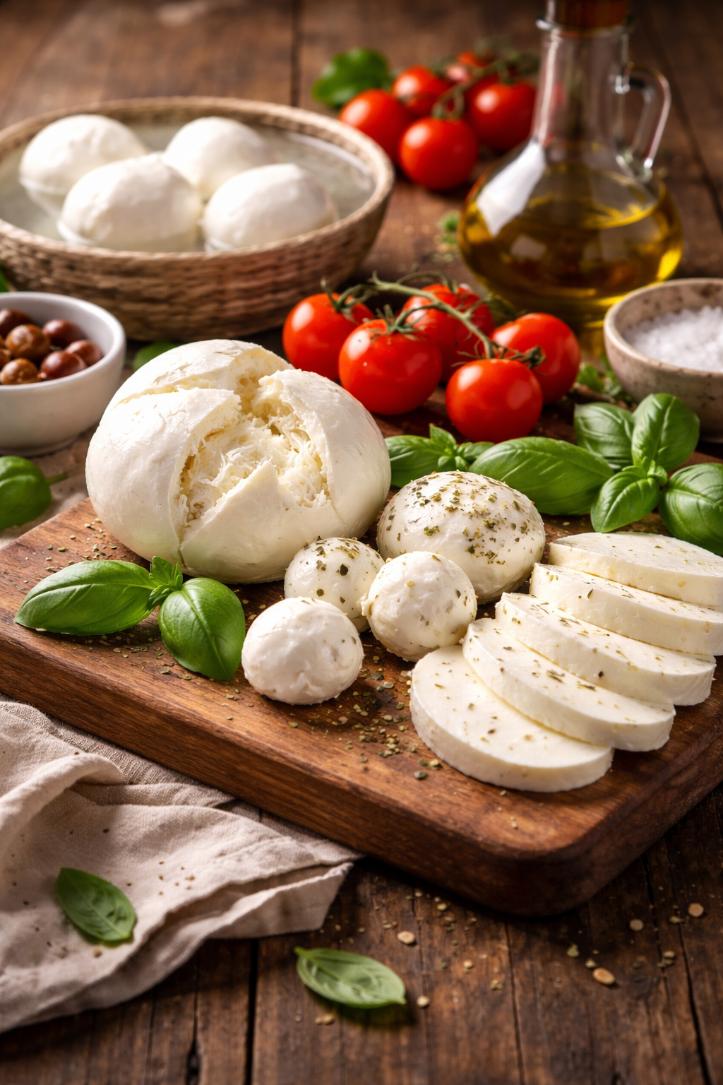
Mozzarella is one of the most widely used cheeses in cooking, especially in Italian-inspired recipes. Its elastic texture, mild flavor, and ability to melt make it an essential ingredient in both homemade dishes and professional kitchens.
However, not all mozzarellas are the same, nor do they behave in the same way when cooked. Choosing the right type and knowing how to handle it can make a big difference in the final result.
In this complete guide, you will discover what mozzarella is, the main types available, how to use it correctly, and the key tricks to make sure it always turns out perfectly.
What is mozzarella and what types are there?
Mozzarella is a fresh stretched-curd cheese originally from Italy. Traditionally, it is made with buffalo milk, although nowadays most commercial varieties are produced with cow’s milk.
Its main characteristic is its elastic texture, which is achieved through a process in which the curd is heated and stretched until it reaches that distinctive consistency. This is what allows it to melt evenly and create that creamy, stringy effect so appreciated in many recipes.
There are several types of mozzarella, and knowing their differences is key to using them correctly:
Buffalo mozzarella
This is the most highly valued type because of its stronger flavor and creamier texture. It has a higher water content, which makes it ideal for cold dishes or recipes that do not require long cooking times, such as salads or more gourmet presentations.
Cow’s milk mozzarella or fior di latte
It is milder and more affordable. It is the most common type for everyday use and works very well in pizzas, gratins, and baked dishes.
Fresh mozzarella
It is usually sold in balls preserved in brine or whey. It is very juicy, but it needs to be drained well before use, especially if it is going to be cooked.
Low-moisture or shredded mozzarella
It has a lower water content and is specifically designed to melt quickly and evenly. It is the most practical option for pizzas or recipes where a more controlled finish is desired.
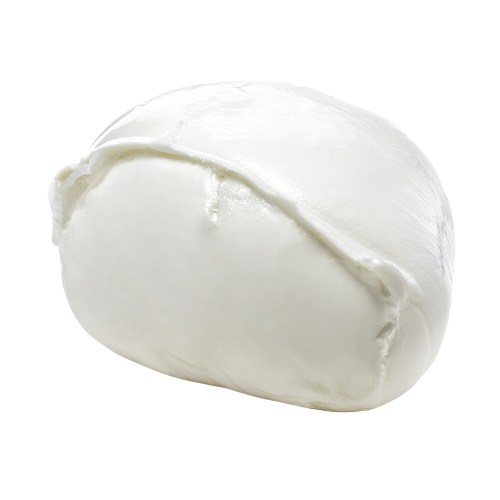
How to use mozzarella correctly in cooking
One of the biggest mistakes when working with mozzarella is thinking that all varieties work for any recipe. In reality, each type behaves differently depending on heat, moisture, and cooking time. In dishes like pizza, for example, controlling the amount of water is essential. If you use fresh mozzarella without draining it, the dough will likely become soggy and lose its texture. In these cases, low-moisture mozzarella or a well-drained version is the best option. In salads or cold dishes, however, fresh or buffalo mozzarella stands out much more. Its juiciness and flavor bring freshness and balance, especially when combined with ingredients like tomato, basil, or olive oil. For baked recipes such as lasagna or gratins, it is ideal to combine textures: a mozzarella that melts well on top and another that provides creaminess inside. This improves both the flavor and the overall eating experience. It is also important to consider when to add it. In many cases, incorporating mozzarella towards the end of cooking helps prevent it from drying out or becoming too rubbery.Key tips to make mozzarella perfect every time
Working with mozzarella properly is not difficult, but it does require paying attention to a few details that make a big difference. The first, and probably the most important, is controlling moisture. Draining fresh mozzarella well before using it is essential to prevent dishes from becoming watery. You can even let it rest on absorbent paper for a few minutes. Another key factor is temperature. Taking mozzarella out of the fridge a few minutes before using it improves its texture and helps it melt more evenly. It is also important to avoid overcooking. When exposed to too much heat for too long, mozzarella can lose its creaminess and become rubbery. That’s why, in many cases, it is best to add it at the final stage of cooking. As for cutting, tearing it by hand instead of using a knife helps preserve its structure and achieves a more natural result in the dish. Finally, choosing the right type for each recipe is what truly makes the difference between an average result and an excellent one.Common mistakes when using mozzarella
Despite being a very popular ingredient, it is common to make mistakes that affect the final result. One of the most frequent is using fresh mozzarella without draining it properly, which adds excess water to the dish. It is also common to use the same type of mozzarella for everything, without considering that each recipe requires different characteristics. Another common mistake is overcooking it, which affects both its texture and flavor. And in some cases, too much is used, overpowering the rest of the ingredients.What type of mozzarella is best for pizza?
The best choice for pizza is usually low-moisture mozzarella, such as dried mozzarella or well-drained fresh mozzarella. This prevents the dough from becoming soggy and helps achieve a crispier texture and an even melt.
Do you need to drain the mozzarella before using it?
Yes, especially if it’s fresh mozzarella. As it’s packed in whey, it contains quite a lot of water, which can affect the texture of dishes such as pizzas or gratins. Draining it properly helps to improve the final result.
What is the difference between buffalo mozzarella and cow's milk mozzarella?
Buffalo mozzarella has a more intense flavour and a creamier texture, whereas cow’s milk mozzarella (fior di latte) is milder and more versatile. The choice depends on the type of recipe and how much of a feature you want the cheese to be.
Why does mozzarella sometimes turn out rubbery?
This usually happens when food is overcooked or cooked at too high a temperature for too long. To avoid this, it is advisable to add it towards the end of the cooking process.
Can mozzarella be frozen?
Yes, although it’s not ideal. When frozen, it can lose some of its texture and juiciness. If you do freeze it, it’s best to use it later in cooked dishes where the change in texture is less noticeable.